Costa Rica is a paradise for nature lovers, adventure seekers, and beach bums alike. From lush rainforests to pristine beaches, it's easy to get swept up in the beauty of the country. But while you're packing up memories to bring home, there are a few things you should leave behind. Whether it's a souvenir that crosses the line into the illegal or something that’s just not quite as eco-friendly as it seems, some things are best enjoyed in the moment—without bringing them back with you. In this guide, we'll highlight the top items you don’t want to stuff in your suitcase when leaving Costa Rica. Ready to travel smart and responsibly? Let’s dive in!
1. Endangered Wildlife and Animal Products
Costa Rica is home to some of the most biodiverse ecosystems in the world and it is the country’s wildlife that draws many travelers to visit. However, it’s important to remember that removing animals, parts of animals, or products derived from wildlife is not only unethical, but also illegal. Whether it's a rare bird, turtle, or frog, many animals in Costa Rica are protected species and removing them from their habitat is harmful to their survival. In addition, Animal products like turtle shells, animal skins, or exotic feathers may be sold as souvenirs, but they often come from illegal poaching or exploitation so possessing or attempting to export these items can result in severe penalties
2. Coral and Seashells
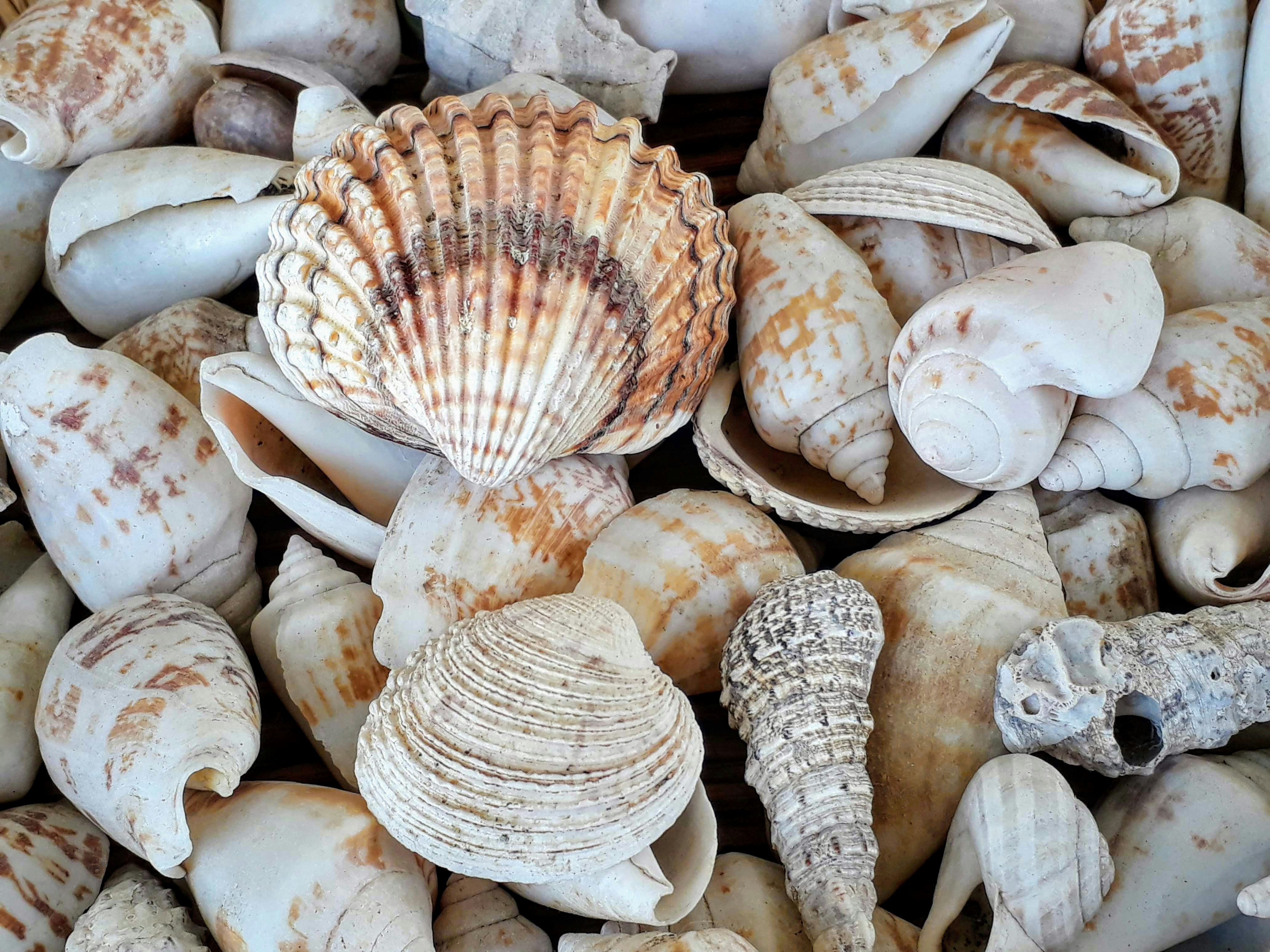
While collecting seashells on your trip to the beach may seem harmless, it’s important to know that many of these shells come from living organisms and removing them from the wild can disrupt local ecosystems and cause shoreline erosion. Some species of seashells and coral are protected under local law and removing them can lead to fines or legal trouble. In 2023, authorities at Juan Santamaría International Airport (AIJS) seized over three tons of shells from traveling passengers! If you’re eager to bring home something beachy, consider ethically sourced and sustainable options like locally made jewelry or accessories crafted from shells, wood, or other natural materials.
3. Plant Species and Seeds
Taking plants or seeds, especially those that are endangered, can contribute to the depletion of these plants. Many non-native species are considered invasive, and taking plants or seeds could unintentionally introduce harmful species to other environments. Always check with authorities or local experts if you want to bring back a plant or seeds to make sure it's legal and sustainable.
4. Wood Products (Without Proper Documentation)
Costa Rica has strict regulations on the harvesting of wood, especially when it comes to protected species like rosewood and mahogany. Some souvenir shops may sell wooden items like carvings or furniture made from these protected woods, but without proper documentation, it’s illegal to take them out of the country. Before purchasing any wood products, ask for certification or documentation that proves the wood has been harvested legally and sustainably.
When visiting Costa Rica, your experience is about more than just sightseeing—it’s about immersing yourself in one of the world’s most biodiverse and ecologically important countries. While the temptation to take home a memento of your trip is understandable, it’s crucial to do so responsibly. By leaving behind wildlife, plants, and culturally significant items that belong in Costa Rica’s ecosystems or history, you contribute to the preservation of the country’s natural and cultural heritage for future generations. Being a responsible traveler isn’t just about following laws—it’s about ensuring that your impact is positive and that the beauty you experienced can be enjoyed by others in the future. Travel smart, travel responsibly, and respect the places you visit.