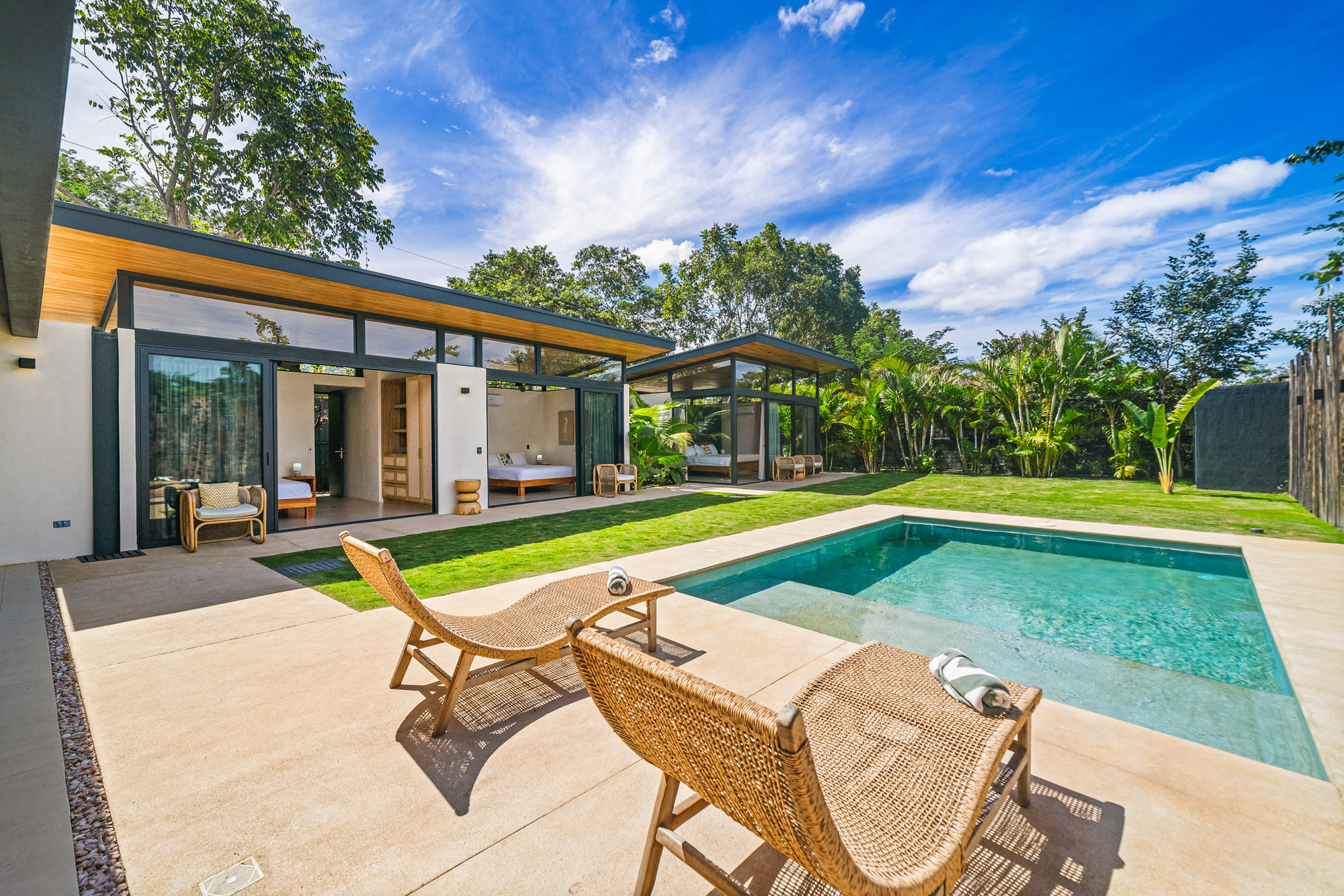
Owning a property in Guanacaste is a dream come true for many. The golden beaches, year-round sunshine, and laid-back pura vida lifestyle make it one of the most desirable destinations in all of Central America. But for a growing number of property owners, that dream comes with a bonus: a steady stream of rental income when they're not in town.
If you've ever wondered whether your Guanacaste home could work as a vacation rental, the short answer is, it very likely can. Here's everything you need to know to get started.
Why Guanacaste Is a Vacation Rental Goldmine
Guanacaste is Costa Rica's tourism powerhouse. With the Daniel Oduber Quirós International Airport in Liberia connecting it directly to major US and Canadian cities, international visitors arrive in droves, and they're looking for something more personal than a hotel room. Vacation rentals consistently outperform hotels in this market because travelers want the space, the kitchen, the private pool, and the authentic feel of living like a local.
Demand is especially strong from December through April (the dry season), when northern hemisphere visitors are escaping the cold. But the "green season" from May through November is no longer the slow period it once was, surf travelers, eco-tourists, and remote workers have turned it into a legitimate second peak.
What Kind of Returns Can You Expect?
Rental income in Guanacaste varies depending on your property's location, size, amenities, and how well it's marketed. That said, a well-positioned three-bedroom home with a pool near a popular beach like Tamarindo, Flamingo, or Conchal can realistically generate between $2,000 and $6,000 per month during high season, and many properties exceed that.
Ocean views, proximity to the beach, air conditioning, fast Wi-Fi, and a private pool are the features that most directly impact your nightly rate and booking frequency. If your property checks those boxes, you're already ahead of the curve.
The Legal Side: What You Need to Know
Costa Rica is generally foreigner-friendly when it comes to vacation rentals, but there are a few legal and tax requirements to be aware of before you list your property.
Tourism Registration: If you plan to operate your home as a short-term rental, you are technically required to register with the Instituto Costarricense de Turismo (ICT). While enforcement has historically been inconsistent, registration is becoming increasingly important as the industry matures and regulations tighten.
Tax Obligations: Rental income earned in Costa Rica is subject to local income tax. As of the most recent updates to Costa Rican tax law, rental income is generally taxed at a flat rate for non-residents, though the specifics can vary based on how the property is held and whether you operate as an individual or through a corporation. It's strongly recommended to work with a local accountant or attorney who specializes in real estate.
HOA and Community Rules: If your property is inside a gated community or development, always review the rules regarding short-term rentals. Some communities restrict or regulate Airbnb-style rentals, and it's essential to know this before you start accepting bookings.
Setting Up for Success
The difference between a vacation rental that sits empty and one that stays booked comes down to a few key factors.
Professional Photography: This is non-negotiable. In a market flooded with listings, high-quality photos are your first impression and your most powerful marketing tool. Invest in a professional photographer who can capture both the interior and the surrounding scenery.
The Right Platforms: Airbnb and VRBO are the dominant booking platforms for Guanacaste vacation rentals. Listing on both dramatically increases your visibility. Some owners also work with local property management companies that have their own direct booking channels and established guest networks.
Property Management: If you live outside Costa Rica, or simply don't want the day-to-day hassle, hiring a local property manager is well worth the cost (typically 20–30% of rental income). A good manager handles guest communication, check-ins, cleaning, maintenance, and even small repairs. They are the difference between a passive income stream and a part-time job.
Competitive Pricing: Research comparable properties in your area and price accordingly. Dynamic pricing, adjusting your rates based on seasonality and local events, can significantly boost annual revenue. Many hosts use tools like PriceLabs or simply monitor competing listings manually.
The Lifestyle Benefit People Forget About
Beyond the income, there's something else that vacation rental owners often overlook: your property stays lived in. A well-maintained, regularly occupied home is far less susceptible to the maintenance issues that can quietly plague properties left empty for months at a time in a tropical
climate. Humidity, pests, and neglected plumbing are real concerns in Guanacaste — a steady rotation of guests, paired with a reliable property manager, keeps your home in far better shape year-round.
Is Your Property Ready?
Whether you already own a home in Guanacaste or you're in the process of buying one with rental potential in mind, understanding the vacation rental landscape is an essential part of making the most of your investment. The right property in the right location, set up correctly, can cover a significant portion, or even all, of your ownership costs while you enjoy it at your leisure.
At Coldwell Banker Pacific Realty, our team knows this market inside and out. We can help you identify properties with strong rental potential, connect you with trusted local property managers, and guide you through every step of the process. Reach out to us today and let's talk about making your Guanacaste property work for you.
Ready to explore properties with vacation rental potential? Browse our listings at cbpacificrealty.com or contact our team directly.