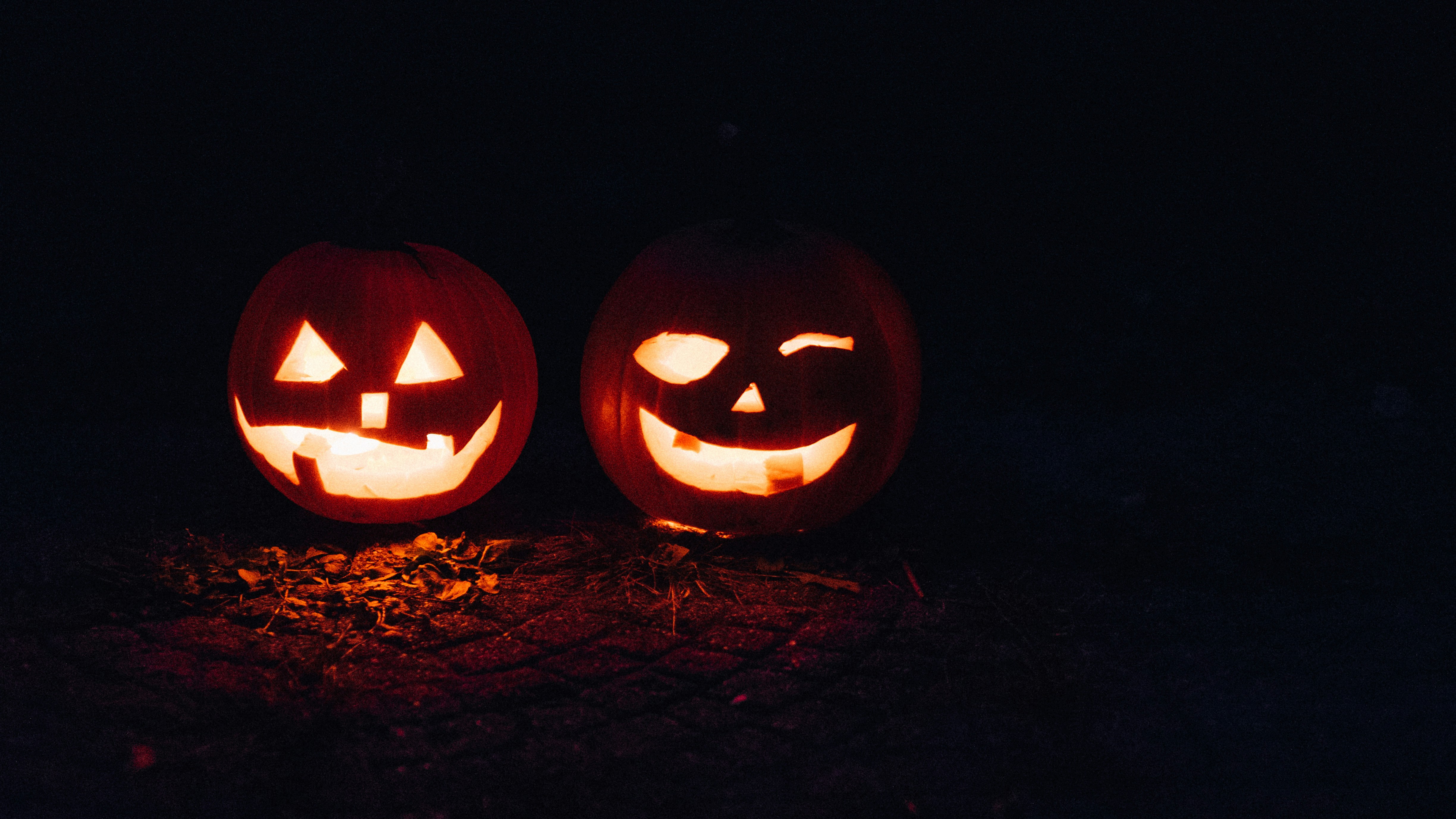
Halloween in Costa Rica is a relatively new tradition compared to older, deeply rooted cultural celebrations, but over the past few decades, it has steadily gained popularity. While the holiday originated in North America and arrived through media, tourism, and expatriate communities, Costa Ricans have gradually adopted and adapted it in their own way. Today, Halloween night in Costa Rica can be lively and diverse, ranging from costume parties in city centers to small gatherings in neighborhoods where children go door to door asking for candy. Still, the day carries a distinctly Costa Rican flavor, blending imported customs with local folklore and traditional values.
In major cities like San José, Heredia, and Alajuela, as well as in tourist areas such as Tamarindo, Jacó, and Nosara, Halloween celebrations often mirror those in the United States. Shops and malls are decorated with pumpkins, cobwebs, and bats, while bakeries sell themed pastries and sweets. Children in some communities participate in trick-or-treating, known locally as pedir dulces, though it remains more common in neighborhoods with expatriate families or schools that incorporate multicultural activities. For adults, Halloween is a popular occasion for costume contests, themed dances, and elaborate parties hosted by clubs, hotels, and restaurants. These modern festivities reflect Costa Rica’s openness to global influences and its ability to make them part of its own social life.
Despite the growing enthusiasm, Halloween in Costa Rica has not been without controversy. Some Costa Ricans, particularly within religious circles, view the holiday as overly commercial or contrary to traditional values. In response to this tension, the government designated October 31st as El Día de la Mascarada Tradicional Costarricense (The Day of the Traditional Costa Rican Masquerade). This initiative encourages Costa Ricans to celebrate their own folklore instead of adopting a foreign holiday. Across the country, schools and communities organize parades featuring colorful paper-mâché masks representing figures from Costa Rican legends, accompanied by cimarrona bands, lively brass ensembles that fill the streets with festive music. The event highlights the artistry of local mask-makers and celebrates cultural identity through humor, creativity, and heritage.
Beyond the modern celebrations, Costa Rica’s own folklore naturally fits the mysterious, eerie atmosphere associated with Halloween. The country’s oral traditions are rich with ghost stories and cautionary tales passed down for generations, often reflecting moral lessons or beliefs about the supernatural. Among the most well-known is La Llorona, the weeping woman who haunts riverbanks at night, mourning her lost children and warning of sorrow and regret. Another enduring legend is El Cadejos, a spectral dog that appears to travelers after dark, sometimes as a protector, other times as a sinister omen. There is also La Segua, a woman who appears beautiful to men on lonely roads but reveals a terrifying horse’s skull face as punishment for their infidelity. Legends like El Padre sin Cabeza (The Headless Priest) and La Tulevieja, a ghostly figure said to emerge from swamps, further enrich the country’s supernatural landscape.
These stories reveal that Costa Rica has long had its own version of a “spooky season,” long before Halloween became popular. In rural areas and small towns, elders still share these tales by firelight or during family gatherings, preserving the cultural memory of Costa Rica’s ancestors. The storytelling tradition serves not only to entertain but also to reinforce moral values, respect for nature, and awareness of the spiritual world, a testament to how myth and culture intertwine in Costa Rican life.
Today, Halloween in Costa Rica reflects a fascinating blend of influences. On one side, it is a modern celebration shaped by globalization, media, and youth culture; on the other, it remains intertwined with national pride and folk tradition. For many Costa Ricans, October 31st is a day to enjoy creativity and fun through costumes and parties, while also honoring the country’s distinctive myths and customs through the masquerade festivities. In this way, Costa Rica has transformed Halloween into something uniquely its own, a cultural meeting point between the foreign and the familiar, the modern and the traditional, the playful and the profound.
Don’t let your dream home become just another ghost story; make it a reality this season! Contact us today to explore Costa Rica’s most enchanting real estate opportunities and start your next chapter in one of the world’s most beautiful destinations.